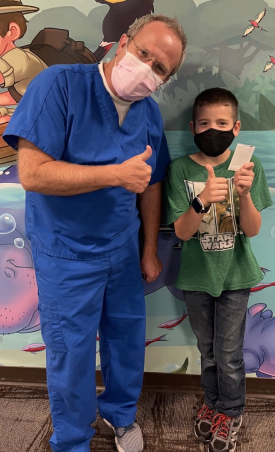
Your child just took a fall at the park. Or bit down on something hard. Or woke up at 2 a.m., screaming with tooth pain. You’re not sure if it’s serious — but your gut is telling you something’s wrong.
This guide is for that exact moment.
Great Falls Pediatric Dentistry & Orthodontics is a reliable pediatric dental practice in the region offering true 24/7 emergency services for children. Whether your child has a sudden toothache in the middle of the night or suffers a dental injury during a weekend game, our team is reachable around the clock at (406) 205-3586. We don’t route you to a voicemail — we provide real, immediate attention when it matters most.
If you’re searching for an emergency pediatric dentist in Great Falls, MT, you need clear, fast, trustworthy information — not a wall of marketing copy. Here’s everything you need to know: what counts as a dental emergency, what to do in the first few minutes, and how to access pediatric dental urgent care in Great Falls when your child needs it most.
What Is a Pediatric Dental Emergency?
A pediatric dental emergency is any oral health situation involving a child that requires immediate or same-day dental attention to relieve pain, prevent infection, or save a tooth.
Not every dental issue is an emergency — but many parents underestimate situations that genuinely are. The American Dental Association outlines the proper steps to handle dental emergencies.
| Situation | Emergency? |
| Knocked-out permanent tooth | ✅ Yes — act within 30–60 minutes |
| Knocked-out baby tooth | Urgent, but less time-critical |
| Severe toothache with swelling | ✅ Yes — possible abscess |
| Chipped tooth (no pain) | Can wait 24–48 hours |
| Cracked tooth with pain | ✅ Yes |
| Soft tissue cut (lip/tongue) | Depends on severity of bleeding |
| Dental abscess or facial swelling | ✅ Yes — can become systemic |
| Lost filling or crown | Usually non-urgent |
Critical rule: If your child has facial swelling, high fever alongside tooth pain, or difficulty swallowing or breathing — go to the emergency room immediately, not a dental office. These can signal a spreading infection.
Why Having an Emergency Kids Dentist in Great Falls, Montana Matters Before You Need One
Here’s the hard truth most parents learn too late: dental emergencies never happen during office hours on a Tuesday.
They happen at 11 p.m. on a Friday. They happen during school holidays. They happen on road trips back from Havre or Lewistown.
Our emergency care is backed by specialists, not general dentists. Dr. Nate Stevenson and Dr. Kevin Rencher both completed their pediatric residency training at Schneider’s Children’s Hospital in New York City — a high-volume trauma and emergency environment that gave them hands-on experience with dental injuries in children of all ages and medical backgrounds, including special needs and medically complex patients. That training makes a difference in an emergency.
Knowing your emergency kids dentist in Great Falls, Montana before the emergency means:
- You’re not Googling in a panic with a crying child in your arms
- You know exactly which number to call and what to say
- You don’t waste critical time driving to a clinic that isn’t equipped for pediatric emergencies
- You can focus on calming your child instead of making decisions under pressure
“In a pediatric dental emergency, the parent’s calm is the child’s calm. Preparation is what makes calm possible.”
The 5 Most Common Pediatric Dental Emergencies — and What to Do First
1. Knocked-Out Permanent Tooth (Avulsed Tooth)
This is the most time-sensitive dental emergency that exists. A permanent tooth that is re-implanted within 30 minutes has the highest chance of survival.
Guidelines from the American Academy of Pediatric Dentistry highlight the urgency of dental trauma care, while the International Association of Dental Traumatology provides detailed, evidence-based steps for preserving and re-implanting avulsed teeth.
What to do immediately:
- Pick up the tooth by the crown (the white part) — never touch the root
- If dirty, rinse gently with milk or saline — do NOT scrub
- If your child is old enough, have them hold it between their cheek and gum
- Otherwise, store it in a small cup of cold milk
- Call your emergency pediatric dentist in Great Falls, MT immediately and head in
What NOT to do: Do not wrap it in a tissue, let it dry out, or store it in tap water.
2. Dental Abscess or Severe Toothache with Swelling
A dental abscess is a bacterial infection that forms a pocket of pus near the tooth root or in the gum. In children, abscesses can escalate quickly.
Signs: Swollen face or jaw, throbbing pain that doesn’t stop, fever, sensitivity to pressure, pus or a pimple-like bump on the gum.
Call your child dental emergency Great Falls MT provider immediately. If swelling extends to the eye, neck, or your child has trouble swallowing — go straight to the ER.
3. Cracked or Fractured Tooth
Minor chips without pain can usually wait for a next-day appointment. A cracked tooth that causes sharp pain when biting, or sensitivity to temperature, needs same-day attention.
What to do: Rinse with warm water. Apply a cold compress to reduce swelling. Avoid giving the child food or drinks that are very hot, cold, or hard until seen.
4. Soft Tissue Injuries (Cuts to Lip, Tongue, or Cheek)
Children’s mouths bleed dramatically even from minor cuts — which looks terrifying but often isn’t dangerous.
What to do: Apply gentle pressure with a clean cloth for 10–15 minutes. If bleeding doesn’t stop, or the cut is deep and gaping, go to urgent care or the ER. If bleeding slows and the cut appears minor, call your dentist for guidance.
5. Object Caught Between Teeth
If a child has something stuck between teeth causing pain or pressure, try gentle flossing first. Never use a sharp object. If you can’t dislodge it and the child is in pain, call your 24-hour kids dentist in Great Falls, MT or after-hours line.
Common Mistakes Parents Make During a Child Dental Emergency
Waiting to see if it gets better. A knocked-out tooth doesn’t “get better.” An abscess doesn’t resolve on its own. When in doubt, call. Most pediatric dental offices have an after-hours line precisely for this reason.
Giving pain medication and going back to sleep. Children’s ibuprofen or acetaminophen can reduce pain, but it masks symptoms — it doesn’t treat infection or save a tooth. Use it to keep your child comfortable while you seek care, not instead of seeking care.
Assuming baby teeth don’t matter. A dental injury to a primary tooth can damage the developing permanent tooth underneath. After hours pediatric dentist Great Falls services exist for a reason — primary teeth matter more than most parents realize.
Searching for the wrong type of clinic. A general urgent care clinic is not equipped for dental emergencies. An adult emergency dentist may not be trained or equipped for pediatric cases. Always look specifically for pediatric dental urgent care in Great Falls or a children’s specialist.
What Does a Pediatric Dental Emergency Visit Cost in Great Falls, MT?
Emergency dental visits generally cost more than routine appointments, but not outrageously so when caught early.
| Service | Estimated Cost (No Insurance) |
| Emergency exam + X-ray | $100–$300 |
| Tooth re-implantation | $200–$500+ |
| Abscess drainage | $150–$400 |
| Emergency filling | $100–$250 |
| Tooth extraction (emergency) | $150–$350 |
Montana Medicaid (Healthy Montana Kids) covers emergency pediatric dental care. If your child has private insurance, emergency dental visits are typically covered at the same rate as standard visits — confirm your plan’s after-hours policy in advance.
Pro tip: Ask your pediatric dental clinic if they charge a separate “emergency fee” on top of procedure costs. Some do; many don’t. Knowing in advance avoids billing surprises.
Quick Questions Answered
What is a pediatric dental emergency?
A pediatric dental emergency is any oral health situation — such as a knocked-out tooth, dental abscess, severe toothache, or facial swelling — that requires immediate dental attention to relieve pain, prevent infection, or save a tooth. Time-sensitive cases like avulsed permanent teeth must be treated within 30–60 minutes.
Is a knocked-out baby tooth a dental emergency?
It’s urgent but less time-critical than a knocked-out permanent tooth. Baby teeth are generally not re-implanted because of the risk to the developing permanent tooth below. However, you should still call your dentist promptly for an assessment and to rule out injury to the underlying tooth bud.
When should I go to the ER instead of a dentist?
Go to the emergency room if your child has facial swelling spreading toward the eye or neck, difficulty breathing or swallowing, a high fever alongside dental pain, or uncontrolled bleeding. These are signs of a potentially life-threatening infection or injury.
How does emergency pediatric dental care work?
Most pediatric dental offices in Great Falls maintain an after-hours emergency line. You call, describe the situation, and the dentist or on-call staff will advise whether you need to come in immediately, go to urgent care, or wait for a morning appointment. Same-day slots are typically held for emergencies.
How much does an emergency kids dentist visit cost in Great Falls, MT?
An emergency exam typically runs $100–$300 without insurance. Procedures like re-implantation or abscess treatment add to that. Montana Medicaid covers pediatric dental emergencies, and most private insurance plans cover emergency dental at standard rates.
Emergency Dental Preparedness Checklist for Parents
✔ Save your pediatric dentist’s after-hours number in your phone now — before you need it ✔ Keep a small dental emergency kit: gauze, saline solution, a small container with a lid, children’s ibuprofen ✔ Know the difference between “can wait until morning” and “call right now” ✔ Never store a knocked-out tooth in water — use milk or saline ✔ Always handle an avulsed tooth by the crown, never the root ✔ Use pain medication to comfort, not to replace care ✔ Know the location of your nearest ER for swelling/breathing emergencies ✔ Confirm your child’s dental insurance covers after-hours emergency visits ✔ Don’t assume baby tooth injuries are unimportant — call anyway ✔ Stay calm — your child reads your reaction before they feel their own pain
Conclusion: Preparation Is the Most Powerful Thing You Can Do Right Now
A child dental emergency in Great Falls, MT is not something you can fully prevent. Kids fall. Kids collide. Kids bite things they shouldn’t.
But the difference between a tooth saved and a tooth lost — between a minor scare and a traumatic experience — almost always comes down to how prepared the parent was before the emergency happened.
Find your emergency pediatric dentist in Great Falls, MT today. Save the number. Know the protocol. Stock the basic supplies.
“You can’t prevent every fall. But you can make sure that when it happens, you already know exactly what to do.”
The best emergency plan is the one you made when everything was fine.
Start your search now through the American Academy of Pediatric Dentistry’s provider directory or call local Great Falls pediatric clinics to ask specifically about their after-hours emergency coverage. Don’t wait for a reason to look.
Frequently Asked Questions
Q: What should I do if my child knocks out a tooth at school?
A: Ask the school nurse for milk to store the tooth. Have someone call your emergency pediatric dentist immediately while you or another adult brings the child in. Time is critical — every minute outside the socket reduces re-implantation success.
Q: Can I take my child to a regular urgent care clinic for a dental emergency?
A: Most urgent care clinics are not equipped to handle dental emergencies. They can assess for infection and prescribe antibiotics or pain relief, but cannot perform dental procedures. Always contact a dental provider directly.
Q: How do I know if my child has a dental abscess?
A: Signs include a persistent throbbing toothache, visible swelling of the face or jaw, fever, a pimple-like bump on the gum, and pain when biting. If you notice any of these, call your dentist immediately — abscesses require prompt treatment.
Q: Are after-hours pediatric dental visits covered by insurance in Montana?
A: Most private dental insurance plans and Montana Medicaid cover emergency dental visits at the same rate as regular visits. Confirm your specific plan’s policy, and ask the clinic whether they bill the after-hours visit separately.
Q: My child chipped a tooth but isn’t in pain — is it still an emergency?
A: A small chip without pain can typically wait 24–48 hours. However, call your dentist to describe it — sharp edges can cut soft tissue, and what looks minor may involve the tooth’s inner layer (dentin or pulp), which requires faster attention.
Q: What age is most common for pediatric dental emergencies?
A: Children aged 2–4 (learning to walk and run) and 7–10 (active play and sports) have the highest rates of dental injuries. This is exactly why mouth guards are recommended for contact sports even at young ages.
Q: Should my child wear a mouth guard to prevent dental injuries?
A: Yes. The American Academy of Pediatric Dentistry recommends custom-fitted mouth guards for any child participating in contact or collision sports. A custom guard from your dentist offers far better protection than a store-bought boil-and-bite version.