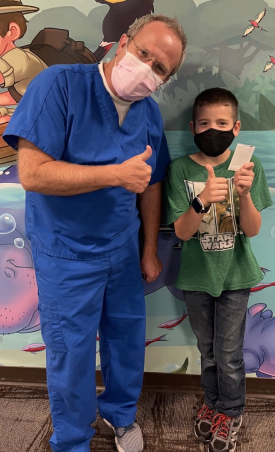


Dental anxiety in children is a common concern that affects many families, often creating stress for both parents and young patients. At Great Falls Pediatric Dentistry & Orthodontics, our certified pediatric specialists understand that overcoming dental fear is essential for establishing lifelong positive oral health habits. Through years of experience helping children in Great Falls and Havre, Montana, we’ve developed proven strategies to reduce dental anxiety and create comfortable, stress-free dental experiences.
Understanding the root causes of dental anxiety and implementing effective coping strategies can transform your child’s relationship with dental care. When children feel safe and comfortable during dental visits, they’re more likely to cooperate with necessary treatments and maintain regular preventive care throughout their lives. This comprehensive guide provides parents with practical tools and professional insights for helping anxious children overcome their dental fears.
Understanding the Root Causes of Dental Anxiety
Before addressing dental anxiety, it’s important to understand why children develop these fears. Dental anxiety can stem from various sources, and identifying the specific triggers helps parents and dental professionals develop targeted strategies for each child’s unique needs.
Common Sources of Dental Fear
Many children develop dental anxiety from fear of the unknown, particularly if they’ve never visited a dentist before or don’t understand what to expect during appointments. The clinical environment, unfamiliar sounds, bright lights, and medical equipment can feel overwhelming to young children who thrive on routine and familiarity.
Previous negative experiences, whether dental or medical, can create lasting anxiety that extends to future healthcare encounters. Even seemingly minor incidents, such as discomfort during a procedure or feeling rushed during an appointment, can contribute to developing dental phobia.
Sometimes children absorb anxiety from parents or siblings who express their own dental fears. Children are remarkably perceptive and often pick up on adult anxiety, even when parents try to hide their concerns.
Age-Related Anxiety Patterns
Different age groups tend to experience dental anxiety for different reasons. Toddlers and preschoolers often struggle with separation anxiety and may become distressed when separated from parents. They’re also naturally cautious about new experiences and unfamiliar people.
School-age children may develop more sophisticated fears based on stories they’ve heard from peers or concerns about pain or embarrassment. They’re old enough to understand that dental procedures might involve discomfort but may not yet have developed adequate coping strategies.
Teenagers often worry about appearance, peer judgment, and loss of control. They may feel self-conscious about needing dental treatment or worry about how procedures might affect their social activities.
Pre-Visit Preparation Strategies
Proper preparation before dental visits can significantly reduce anxiety and help children feel more confident about their upcoming appointments. The key is providing age-appropriate information while maintaining a positive, reassuring tone.
Age-Appropriate Communication
For very young children, simple, positive explanations work best. Focus on the fun aspects of dental visits, such as riding in the special chair, getting a new toothbrush, or choosing a prize. Avoid using words that might create fear, such as “shot,” “drill,” “hurt,” or “pain.”
School-age children can handle more detailed explanations about what will happen during their visit. Use positive language and focus on the benefits of dental care, such as keeping teeth strong and healthy. Reading age-appropriate books about dental visits or watching educational videos can help familiarize children with the dental office environment.
Teenagers appreciate honest, straightforward information about procedures and why they’re necessary. They often respond well to understanding the science behind dental treatments and how procedures contribute to their overall health and appearance.
Practice and Role-Playing
Playing “dentist” at home can help familiarize children with dental procedures in a non-threatening environment. Use a flashlight to “examine” teeth, count teeth together, or pretend to clean teeth with a toothbrush. This type of play helps normalize dental procedures and reduces fear of the unknown.
Some families find it helpful to visit the dental office before the actual appointment, allowing children to see the environment and meet staff members without the pressure of receiving treatment. Our team at Great Falls Pediatric Dentistry and Havre welcomes these introductory visits.
Professional Techniques for Anxiety Management
Pediatric dental professionals use specialized techniques designed specifically for working with anxious children. Understanding these approaches helps parents know what to expect and how to support their child’s comfort during visits.
Tell-Show-Do Method
The tell-show-do technique is a cornerstone of pediatric dentistry that helps reduce anxiety by eliminating fear of the unknown. Our pediatric dentists first explain what will happen using age-appropriate language, then demonstrate the procedure on a model or the parent’s hand, and finally perform the actual treatment.
This approach allows children to understand each step before it happens, reducing surprise and anxiety. Children feel more in control when they know what to expect, and the gradual introduction helps them adjust to new sensations and sounds.
Positive Reinforcement and Distraction
Effective pediatric dental care incorporates positive reinforcement throughout appointments, praising children for cooperation and brave behavior. This builds confidence and creates positive associations with dental visits.
Distraction techniques, such as listening to music, watching ceiling-mounted televisions, or engaging in conversation about favorite topics, help redirect attention away from dental procedures. Many children find that focusing on something enjoyable makes time pass more quickly and reduces anxiety.
Child-Friendly Environment Design
Our offices are specifically designed to create welcoming, non-threatening environments for children. Bright colors, fun decorations, and child-sized furniture help children feel comfortable and at ease. The goal is to create an environment that feels more like a fun place to visit rather than a medical facility.
Special attention to lighting, sound levels, and temperature helps create a calm atmosphere that supports relaxation and comfort for anxious patients.
Parent’s Role in Reducing Dental Anxiety
Parents play a crucial role in helping children overcome dental anxiety. The approach parents take can significantly influence how children perceive and respond to dental visits.
Maintaining Calm and Positive Attitudes
Children often mirror their parents’ emotions, so maintaining a calm, positive attitude about dental visits is essential. Even if parents have their own dental anxieties, it’s important to project confidence and positivity when discussing dental care with children.
Avoid sharing negative dental experiences or expressing your own fears in front of children. Instead, focus on the positive aspects of dental care and the importance of keeping teeth healthy and strong.
Supportive Presence During Appointments
Many children feel more comfortable when parents are present during dental procedures. Our team welcomes parental involvement and encourages parents to stay with their children when it helps reduce anxiety.
However, some children actually feel more independent and mature when parents wait in the reception area. Our experienced staff can help determine what works best for each individual child.
Avoiding Bribes and Negative Language
While it’s natural to want to motivate children with rewards, avoid using language that implies dental visits are something to be endured or feared. Instead of saying “If you’re good at the dentist, we’ll get ice cream,” try “After we take good care of your teeth, we can celebrate with a special treat.”
Focus on the positive aspects of dental care rather than what children need to “get through” or “be brave about.”
Behavioral Management Techniques
Professional pediatric dental practices employ various behavioral management techniques to help children feel comfortable and cooperative during treatment.
Voice Control and Communication
Pediatric dentists use specific voice techniques to communicate effectively with children of different ages and anxiety levels. This might include speaking more softly to calm anxious children or using a firmer tone to redirect attention when necessary.
Clear, simple instructions help children understand what’s expected of them and what they can do to help during procedures. This sense of participation and control often reduces anxiety significantly.
Graduated Exposure
For children with significant anxiety, treatment may be approached gradually, starting with simple procedures and building up to more complex treatments as children become more comfortable with the dental environment.
This might mean spending the first visit simply getting familiar with the office, having a basic examination on the second visit, and progressing to preventive treatments like cleanings and fluoride applications on subsequent visits.
Sedation Options for Severely Anxious Children
For children with severe dental anxiety or those requiring extensive treatment, sedation options may be considered to ensure comfort and safety during dental procedures.
Nitrous Oxide (Laughing Gas)
Nitrous oxide is a safe, mild sedation option that helps children relax while remaining conscious and responsive. The gas is administered through a small mask that fits over the nose, and children often describe feeling happy, silly, or sleepy.
The effects of nitrous oxide wear off quickly once the mask is removed, allowing children to resume normal activities immediately after their appointment. This option is particularly helpful for children who are mildly to moderately anxious about dental procedures.
Oral Sedation
For children who need deeper relaxation, oral sedation medications may be prescribed. These medications are taken before the appointment and help children feel drowsy and relaxed during treatment.
Oral sedation requires careful monitoring and may affect children for several hours after the appointment, so special post-treatment care instructions are necessary.
General Anesthesia
In cases where children require extensive treatment and cannot cooperate even with other sedation options, general anesthesia may be recommended. This involves complete unconsciousness during treatment and requires specialized monitoring and recovery procedures.
Our team carefully evaluates each child’s needs and works with families to determine the most appropriate sedation approach when conservative methods aren’t sufficient.
Creating Positive Associations with Dental Care
Building positive associations with dental care helps children develop healthy attitudes toward oral health that last throughout their lives.
Celebrating Successful Visits
After successful dental visits, acknowledge your child’s cooperation and bravery. This might involve verbal praise, a small reward, or a fun activity that creates positive memories associated with dental care.
Focus on what your child did well rather than what was difficult or challenging. This reinforces positive behaviors and builds confidence for future visits.
Regular Preventive Care
Maintaining regular checkups and cleanings helps children become familiar with dental procedures when they’re simple and non-threatening. Children who receive consistent preventive care often experience less anxiety because dental visits become routine rather than unusual events.
Regular visits also allow dental problems to be identified and treated early when procedures are typically simpler and more comfortable.
Special Considerations for Different Age Groups
Different age groups require tailored approaches to anxiety management based on their developmental stages and typical concerns.
Toddlers and Preschoolers (Ages 1-4)
Very young children often respond well to simple explanations, comfort items from home, and parental presence during procedures. Short appointments that don’t exceed their attention spans help prevent overwhelm and meltdowns.
Singing songs, counting, or playing simple games can help distract toddlers during brief procedures. Our team specializes in working with young children and understands how to make appointments feel more like play than medical treatment.
School-Age Children (Ages 5-12)
This age group often responds well to explanations about why dental care is important and how procedures help keep teeth healthy. They may enjoy learning about dental instruments or understanding the science behind treatments.
School-age children often take pride in their independence and may feel more mature when they can participate actively in their dental care. Teaching them about proper oral hygiene and involving them in treatment decisions when appropriate can reduce anxiety and build confidence.
Teenagers (Ages 13+)
Teenagers typically want honest, detailed information about procedures and may have concerns about appearance, cost, or time away from activities. They often respond well to being treated as young adults and having their concerns taken seriously.
Privacy and confidentiality become more important for teenagers, and they may prefer to speak with the dentist privately about their concerns or questions.
Addressing Specific Dental Procedures
Different dental procedures may trigger different types of anxiety, and specific strategies can help children feel more comfortable with various treatments.
Routine Cleanings and Examinations
Even routine procedures can cause anxiety in some children. Explaining that cleanings help remove “sugar bugs” or “tooth germs” can help young children understand the purpose of the procedure.
Allowing children to hold the suction tool or dental mirror can give them a sense of control and participation that reduces anxiety.
Fluoride Treatments
The taste or texture of fluoride treatments sometimes concerns children. Offering flavor choices when available and explaining that the treatment helps make teeth “super strong” can improve cooperation.
Restorative Procedures
When fillings or other restorative treatments are necessary, careful explanation of the procedure and thorough numbing help ensure comfort. Our team takes extra time to ensure children are completely comfortable before beginning any procedure that might cause discomfort.
Orthodontic Consultations
Children who need orthodontic evaluation may worry about needing braces or other appliances. Focusing on the positive outcomes of orthodontic treatment, such as straight, healthy teeth and improved confidence, helps reduce anxiety about potential treatment needs.
Emergency Situations and Anxiety Management
Dental emergencies can be particularly stressful for both children and parents, but proper preparation and professional support can help manage anxiety even in urgent situations.
Preparing for Emergencies
Having a plan for dental emergencies helps parents respond calmly and effectively when problems occur. Keep our 24/7 emergency contact information readily available: (406) 205-3586.
Knowing that professional help is available around the clock provides peace of mind and helps parents remain calm during stressful situations.
Managing Pain and Discomfort
When children experience dental pain, anxiety often increases significantly. Appropriate pain management, both at home and in the dental office, helps reduce fear and allows for more comfortable treatment.
Our team provides detailed instructions for managing discomfort at home and ensures that children are comfortable during emergency procedures.
Long-Term Strategies for Anxiety Prevention
Preventing dental anxiety is often easier than treating it after it develops. Long-term strategies help children maintain positive attitudes toward dental care throughout their lives.
Early Introduction to Dental Care
Beginning dental visits by age one, as recommended by the American Academy of Pediatric Dentistry, helps children become familiar with dental offices before they develop fear or anxiety about the experience.
Early visits focus on education and gentle examinations rather than extensive treatment, creating positive first impressions of dental care.
Consistent Positive Messaging
Maintaining positive communication about dental care at home reinforces the importance of oral health while avoiding fear-based messaging. Focus on keeping teeth healthy and strong rather than preventing “bad” things from happening.
Modeling Good Oral Health Habits
Children learn by watching their parents, so demonstrating positive attitudes toward your own dental care helps children develop similar attitudes. Let children see you brushing and flossing regularly and speaking positively about your own dental visits.
Professional Support and Resources
When anxiety persists despite parents’ best efforts, professional support can provide additional strategies and interventions.
Specialized Pediatric Training
Our pediatric dental specialists have extensive training in child psychology and behavior management techniques specifically designed for dental settings. This specialized expertise allows us to work effectively with children who have various levels of anxiety and cooperation.
Collaboration with Other Professionals
In cases of severe anxiety, we may recommend collaboration with child psychologists or other mental health professionals who specialize in helping children overcome specific fears and phobias.
Ongoing Support and Follow-Up
We maintain ongoing relationships with our patients and families, providing continued support and adjusting our approaches as children grow and their needs change.
Conclusion: Building Confidence for Lifelong Oral Health
Reducing dental anxiety in children requires patience, understanding, and the right combination of preparation, professional expertise, and supportive care. By working together, parents and pediatric dental professionals can help children overcome their fears and develop positive relationships with dental care that last throughout their lives.
At Great Falls Pediatric Dentistry & Orthodontics, we’re committed to creating comfortable, stress-free experiences for every child. Our experienced team understands that each child is unique and requires individualized approaches to anxiety management.
Remember that overcoming dental anxiety is often a gradual process that requires patience and consistency. With the right support and strategies, even the most anxious children can learn to feel comfortable and confident during dental visits.
If your child experiences dental anxiety, don’t let fear prevent them from receiving necessary oral health care. Contact Great Falls Pediatric Dentistry & Orthodontics today to discuss strategies for helping your child feel more comfortable during dental visits. Our compassionate team is here to support your family in creating positive dental experiences that promote lifelong oral health.
Call (406) 205-3586 to schedule a consultation at our Great Falls or Havre location. Our pediatric specialists specialize in helping anxious children feel comfortable and confident during dental visits.