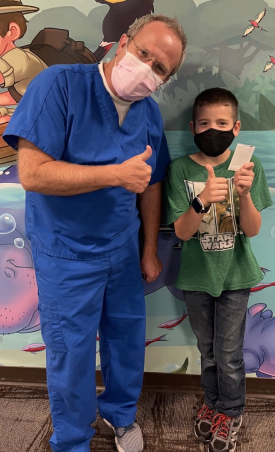
Teaching children proper brushing techniques is one of the most valuable gifts parents can give their kids—a foundation for lifelong oral health. At Great Falls Pediatric Dentistry & Orthodontics, our certified pediatric specialists work with families in Great Falls and Havre, Montana, to develop age-appropriate strategies that make learning proper brushing techniques engaging, effective, and fun. Understanding how to teach these essential skills helps children develop the habits and knowledge they need to maintain healthy teeth throughout their lives.
Proper brushing technique involves much more than simply moving a toothbrush around the mouth. Children need to learn correct positioning, appropriate pressure, adequate duration, and thorough coverage of all tooth surfaces. When taught correctly with patience and consistency, these skills become automatic habits that protect children’s oral health for decades to come.
Understanding Age-Appropriate Expectations
Before teaching brushing techniques, it’s essential to understand what children can reasonably accomplish at different developmental stages. Expecting age-appropriate skills prevents frustration and helps parents provide the right level of support and guidance.
Toddlers and Preschoolers (Ages 1-4)
Young children lack the fine motor skills necessary for effective independent brushing. During this stage, parents should provide complete brushing assistance while allowing children to participate in ways that build interest and familiarity with the process.
Toddlers can hold the toothbrush, help bring it to their mouth, and attempt brushing motions, but they cannot effectively clean their teeth without significant help. Our pediatric dentists at Great Falls Pediatric Dentistry emphasize that parental supervision and follow-up brushing are essential during these early years.
The goal during this stage is establishing routines and positive associations with tooth brushing rather than achieving perfect technique. Consistency and enjoyment take priority over independence.
Early Elementary (Ages 5-7)
Children in this age group begin developing the coordination necessary for more independent brushing, though they still require supervision and assistance to ensure thorough cleaning. Most children can brush their front teeth effectively but struggle with reaching back teeth and maintaining appropriate technique throughout the entire brushing session.
This is an ideal time to begin teaching specific techniques while continuing to provide finishing touches after children brush independently. The combination of guided practice and parental follow-up helps children gradually improve their skills while ensuring adequate cleaning.
Late Elementary (Ages 8-10)
By age 8, most children have developed sufficient fine motor skills and understanding to brush effectively with minimal supervision. However, parents should still periodically check technique and provide occasional assistance to ensure continued effectiveness.
Children in this age group can understand more complex concepts about oral health and may be motivated by understanding the science behind proper brushing and the consequences of poor oral hygiene.
Preteens and Teens (Ages 11+)
Older children should be capable of independent brushing with proper technique, though periodic reminders and monitoring help maintain consistency. Teens particularly benefit from understanding how oral health affects their appearance and social interactions.
At this stage, motivation often becomes more important than instruction, as teens who understand the importance of oral hygiene are more likely to maintain good habits independently.
The Fundamentals of Proper Brushing Technique
Teaching effective brushing requires breaking down the process into manageable components that children can understand and practice. These fundamental techniques form the foundation of proper oral hygiene.
Correct Toothbrush Positioning
Proper brush positioning is crucial for effective cleaning. Teach children to hold the toothbrush at a 45-degree angle to the gums, allowing bristles to reach both tooth surfaces and the gum line where bacteria accumulate.
Demonstrate this angle by showing children how the brush should point toward the gums while touching the teeth. Visual demonstrations using a model or their own teeth in a mirror help children understand and replicate proper positioning.
The brush head should be small enough to reach all areas of the mouth comfortably, and the handle should be easy for small hands to grip securely.
Gentle Pressure Guidelines
Many children brush too hard, thinking more pressure equals better cleaning. In reality, gentle pressure with proper technique cleans more effectively while protecting tooth enamel and gum tissue from damage.
Teach children that brushing should feel like a gentle massage rather than scrubbing. A helpful analogy is brushing teeth as gently as they would wash a tomato—firm enough to clean but gentle enough not to damage.
Some electric toothbrushes include pressure sensors that alert users when they’re brushing too hard, providing helpful feedback for children learning appropriate pressure.
Comprehensive Coverage System
Children often miss areas of their mouth because they lack a systematic approach to brushing. Teaching a consistent pattern ensures all tooth surfaces receive adequate attention.
Divide the mouth into sections: upper right, upper front, upper left, lower left, lower front, and lower right. Teach children to spend time on each section before moving to the next, ensuring comprehensive coverage.
Within each section, address three surfaces: outer (cheek side), inner (tongue side), and chewing surfaces. This systematic approach prevents children from simply brushing the same easily accessible areas repeatedly while neglecting harder-to-reach teeth.
Interactive Teaching Methods That Work
Children learn best through engaging, interactive methods that make brushing education fun rather than tedious. These proven approaches help children understand and remember proper techniques.
Mirror-Based Learning
Position children in front of a mirror during brushing instruction so they can see what they’re doing and monitor their own technique. Visual feedback helps children understand correct positioning and identify areas they might be missing.
Use the mirror to show children specific areas that need attention, pointing out teeth or gum lines that require more thorough cleaning. This immediate visual feedback reinforces proper technique and helps children develop self-monitoring skills.
Demonstration and Imitation
Children learn effectively by watching and imitating. Brush your own teeth alongside your child, exaggerating proper technique so they can clearly see correct positioning, pressure, and motions.
Allow older siblings to demonstrate for younger children, as kids often respond enthusiastically to learning from other children. Just ensure the demonstrating child has mastered proper technique before involving them in teaching roles.
Hands-On Guidance
For young children, physical guidance provides essential learning support. Place your hand over your child’s hand on the toothbrush, gently guiding the proper motions and pressure.
This tactile learning helps children develop muscle memory for correct brushing motions. Gradually reduce your guidance as children demonstrate improving technique, allowing them to take more control while remaining available for assistance.
Models and Visual Aids
Use toy teeth, dental models, or even drawings to demonstrate proper brushing technique outside of actual brushing time. These practice opportunities allow children to focus on learning technique without the time pressure or discomfort of having a toothbrush in their mouth.
Many dental offices, including our Great Falls and Havre locations, use oversized tooth models and giant toothbrushes to demonstrate proper technique during dental visits.
Making Brushing Fun and Engaging
Transforming tooth brushing from a chore into an enjoyable activity increases consistency and helps children develop positive associations with oral hygiene that last throughout their lives.
Songs and Timers
Two minutes can feel like an eternity to young children. Use songs, videos, or special brushing timers to make the time pass more quickly while ensuring adequate brushing duration.
Many apps and electric toothbrushes include built-in timers with music or games that engage children throughout the brushing session. Some timers divide the two minutes into four 30-second segments, cueing children to move to different sections of their mouth.
Reward Systems and Motivation
Create simple reward charts that allow children to place stickers for successful brushing sessions. These visual representations of consistency provide motivation and help establish routines.
Avoid using food rewards, particularly sugary treats, as these undermine oral health messages. Instead, use non-food rewards like extra story time, choosing a family activity, or small privileges that reinforce positive behavior.
Character-Themed Products
Toothbrushes and toothpaste featuring favorite characters make brushing more appealing to young children. While the products themselves don’t ensure proper technique, the enthusiasm children feel about using special items can increase cooperation and consistency.
Rotate between different character themes periodically to maintain novelty and interest. This also provides natural opportunities to replace toothbrushes every 3-4 months as recommended.
Family Brushing Time
Make tooth brushing a family activity where everyone brushes together. This normalizes oral hygiene as an important family priority while providing opportunities for children to observe and learn from older family members.
Family brushing time also ensures that parents model good oral health habits, reinforcing the importance of consistent oral hygiene at all ages.
Teaching Specific Brushing Motions
Different tooth surfaces require different brushing motions for optimal cleaning. Teaching children these specific techniques ensures comprehensive oral hygiene.
Circular Motions for Outer Surfaces
Teach children to use small, gentle circular motions on the outer surfaces of teeth, moving systematically from tooth to tooth. These circles should be about the size of each individual tooth, ensuring thorough coverage without excessive overlapping or missing areas.
Demonstrate this motion on your child’s hand first, showing how the circles feel and look before practicing on actual teeth. This pre-teaching helps children understand the motion in a non-threatening context.
Back-and-Forth for Chewing Surfaces
The flat chewing surfaces of back teeth require different cleaning motions. Teach children to use gentle back-and-forth or circular scrubbing motions on these surfaces, ensuring bristles reach into the grooves where food particles accumulate.
Emphasize reaching all the way to the very back molars, as these are often missed during independent brushing. Help children open wide enough to access these hard-to-reach teeth comfortably.
Vertical Strokes for Inner Surfaces
The inner surfaces of front teeth are often neglected but require attention. Teach children to tilt the brush vertically and use gentle up-and-down strokes to clean these surfaces effectively.
This technique requires holding the brush differently than during other brushing motions, so provide extra practice and guidance for this challenging area.
Gum Line Attention
The gum line is where plaque accumulates most readily, making thorough cleaning of this area essential. Teach children to angle the brush toward the gum line and use gentle motions that clean both the tooth surface and the gum margin.
Explain that healthy gums shouldn’t bleed during gentle brushing. If bleeding occurs, it may indicate inadequate cleaning or improper technique rather than brushing too hard.
Common Mistakes and How to Correct Them
Understanding typical brushing errors helps parents identify and correct problems before they become ingrained habits that compromise oral health.
Rushing Through Brushing
Children often rush through brushing, spending far less than the recommended two minutes. This inadequate duration prevents thorough cleaning and allows bacteria to remain on tooth surfaces.
Use timers consistently to ensure adequate brushing time, and help children understand that quick brushing is ineffective regardless of technique. Making the time engaging through songs or games helps children brush for the full duration.
Missing Hard-to-Reach Areas
Back teeth, inner surfaces, and the back sides of last molars are commonly missed during independent brushing. Regular supervision allows parents to identify these missed areas and provide reminders and guidance.
Periodic use of plaque-disclosing tablets or solutions can reveal areas that children consistently miss, providing visual feedback that helps improve technique.
Using Too Much Pressure
Aggressive brushing can damage tooth enamel and irritate gum tissue. Children who brush too hard need gentle reminders about appropriate pressure and may benefit from softer-bristled brushes or electric toothbrushes with pressure sensors.
Neglecting the Tongue
Many children forget to clean their tongue, where bacteria accumulate and contribute to bad breath and oral health problems. Teach children to gently brush their tongue from back to front after completing tooth brushing.
Integrating Flossing into Oral Hygiene Routines
As children’s teeth begin touching each other, flossing becomes an essential component of complete oral hygiene. Teaching proper flossing technique alongside brushing ensures comprehensive dental care.
When to Introduce Flossing
Begin flossing when adjacent teeth touch, typically around ages 2-6 depending on individual tooth spacing. Our pediatric specialists can assess your child’s specific needs during routine checkups.
Flossing Tools for Children
Floss holders and pre-threaded flossers make flossing easier for children with developing fine motor skills. These tools allow children to practice flossing motions without the complex hand positions required for traditional string floss.
As coordination improves, children can transition to regular dental floss, but many continue finding floss holders convenient and effective throughout childhood.
Technology and Tools That Support Learning
Modern dental products include features specifically designed to help children learn and maintain proper brushing technique. Understanding these tools helps parents choose products that support skill development.
Electric Toothbrushes
Electric toothbrushes designed for children often include features like built-in timers, pressure sensors, and coaching apps that provide guidance and feedback during brushing. These features can significantly improve technique and consistency.
Many children find electric toothbrushes more engaging than manual brushes, increasing their enthusiasm for brushing. The oscillating or vibrating brush heads also compensate somewhat for imperfect technique.
Brushing Apps and Games
Smartphone apps designed to teach brushing technique turn oral hygiene into an interactive game. Many apps use augmented reality to show children which areas they’re brushing and provide real-time feedback on technique and coverage.
While these apps shouldn’t replace parental supervision, they can make independent practice more engaging and effective for tech-savvy children.
Disclosing Solutions
Plaque-disclosing tablets or solutions temporarily stain areas where plaque remains after brushing, providing visual feedback about brushing effectiveness. Using these products periodically helps children identify areas they consistently miss.
This immediate visual feedback is particularly effective for older children who can understand the connection between colored areas and inadequate brushing technique.
Professional Support and Guidance
Regular professional dental care supports home brushing instruction and provides ongoing guidance as children’s skills and needs evolve.
Demonstrations During Dental Visits
During routine checkups and cleanings, our team demonstrates proper brushing technique using models and provides personalized guidance based on each child’s specific needs and challenges.
These professional demonstrations reinforce home instruction and allow children to ask questions in an educational environment focused on their oral health.
Preventive Treatments That Support Home Care
Professional preventive treatments like fluoride applications and dental sealants work alongside proper home care to provide comprehensive cavity protection. These treatments don’t replace brushing but provide additional protection that compensates for areas children might miss during home care.
Identifying Areas Needing Improvement
During professional cleanings, our team identifies areas where plaque and tartar accumulate, indicating regions that require more attention during home brushing. This feedback helps parents and children focus their efforts on problem areas.
Addressing Special Circumstances
Some children face unique challenges that require modified approaches to learning proper brushing techniques. Understanding these situations helps parents provide appropriate support.
Children with Braces or Orthodontic Appliances
Orthodontic treatment requires modified brushing techniques to clean around brackets, wires, and other appliances effectively. Special brushes and tools help children maintain oral hygiene during orthodontic treatment.
Our team provides detailed instruction on brushing with braces, ensuring that children understand how to protect their teeth during the months or years they wear orthodontic appliances.
Children with Special Needs
Children with developmental delays, sensory sensitivities, or physical challenges may require adapted techniques and tools for effective oral hygiene. Working with our experienced team helps identify strategies that work for each child’s unique situation.
Children with Dental Anxiety
Some children experience anxiety about tooth brushing, particularly if they’ve had negative dental experiences. Using gentle approaches, positive reinforcement, and gradual desensitization helps these children become comfortable with proper oral hygiene routines.
Building Independence Gradually
The transition from parent-controlled brushing to independent oral hygiene should be gradual, with children taking increasing responsibility as their skills improve.
The “You Brush, I Check” Approach
Allow children to brush independently first, then follow up with parental brushing to ensure thorough cleaning. This approach builds confidence and skill while maintaining adequate oral hygiene.
Gradually reduce parental follow-up as children demonstrate consistent, effective technique. The timeline for full independence varies significantly among individual children based on motor skills, maturity, and consistency.
Monitoring Without Micromanaging
As children approach independence, shift from active assistance to periodic monitoring and reminders. This respects their growing autonomy while ensuring they maintain proper technique.
Regular conversations about oral health and occasional technique checks help maintain standards without creating power struggles or resentment.
Conclusion: Investing in Lifelong Healthy Habits
Teaching children proper brushing techniques represents one of the most important investments parents make in their child’s long-term health and well-being. The skills and habits developed during childhood form the foundation for a lifetime of healthy teeth and positive dental experiences.
At Great Falls Pediatric Dentistry & Orthodontics, our experienced pediatric team partners with families to ensure children receive the guidance, support, and professional care they need to develop excellent oral hygiene habits. From demonstrating proper technique during office visits to providing personalized recommendations based on each child’s development, we’re committed to helping every child achieve optimal oral health.
Remember that patience and consistency are essential when teaching brushing techniques. Children learn at different paces, and temporary setbacks are normal parts of the learning process. With the right approach, professional support, and ongoing encouragement, every child can master the techniques that will protect their smile for decades to come.
Don’t hesitate to seek professional guidance if you have questions about teaching your child proper brushing techniques. Contact Great Falls Pediatric Dentistry & Orthodontics today to schedule a consultation where our team can provide personalized demonstrations and recommendations for your child’s specific needs.
Call (406) 205-3586 to schedule your child’s appointment at our Great Falls or Havre location. Our pediatric specialists will demonstrate proper brushing techniques and provide personalized guidance for your family.