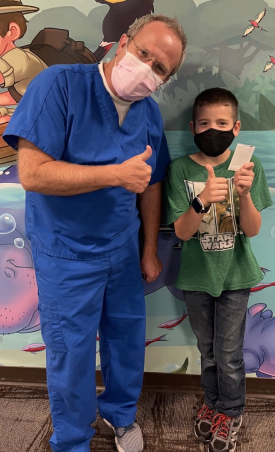


Orthodontic treatment has changed dramatically in the last decade. The metal-mouth stereotype of the 1990s has been replaced by a spectrum of options — from nearly invisible aligners to self-ligating bracket systems that move teeth faster with less discomfort.
Great Falls Pediatric Dentistry & Orthodontics is one of the few practices in Montana offering both pediatric dentistry and full-service orthodontics under one roof — eliminating the need for families to coordinate between separate offices. Dr. Brad Dawson is dual board-certified in both Pediatric Dentistry and Orthodontics, completing post-doctorate training in both specialties at Indiana University. He received the Ralph E. McDonald Scholar Award in Pediatric Dentistry and finished in the top 3% on the written board exam — credentials that reflect the depth of his clinical preparation.
If you’re searching for an orthodontist in Great Falls, MT for your child, your teenager, or yourself, this guide cuts through the marketing language and gives you a clinically grounded, honest comparison of your main treatment options — including what the Damon System braces in Great Falls actually are, how clear aligners in Great Falls, Montana compare, and what questions to ask before committing to any treatment plan.
What Is Orthodontic Treatment?
Orthodontic treatment is a branch of dentistry focused on diagnosing, preventing, and correcting misaligned teeth and jaws — a condition clinically referred to as malocclusion.
Beyond aesthetics, properly aligned teeth are easier to clean, place less stress on jaw joints, support clearer speech, and reduce the risk of premature tooth wear. An orthodontist in Great Falls, MT is a dental specialist who has completed 2–3 years of additional residency training in orthodontics after dental school — distinct from a general dentist who offers orthodontic services as an add-on.
Common conditions orthodontic treatment corrects:
| Condition | Description |
| Crowding | Insufficient space for teeth to align properly |
| Spacing | Gaps between teeth |
| Overbite | Upper front teeth overlap lower teeth excessively |
| Underbite | Lower teeth protrude in front of upper teeth |
| Crossbite | Upper and lower teeth don’t align side to side |
| Open bite | Front teeth don’t meet when mouth is closed |
| Overjet | Upper front teeth protrude horizontally |
Defining insight: Orthodontic treatment is not cosmetic dentistry. It is functional dental medicine — correcting structural problems that, if left untreated, lead to accelerated tooth wear, jaw dysfunction, gum disease, and in some cases, chronic pain.
Why Seeing an Orthodontist in Great Falls, MT Matters for Your Child’s Long-Term Health
The most common misconception about orthodontics is that it’s about appearance. While a straighter smile is a genuine outcome, the clinical reasons for treatment run much deeper.
Children’s orthodontist Great Falls specialists recommend a first evaluation by age 7 — not because treatment starts at 7, but because early assessment identifies problems that are dramatically easier to correct while jaw bones are still developing.
Conditions caught at age 7–10 that can be addressed with simple interceptive appliances often require full braces or even surgical intervention if left until age 14–16.
Beyond children, adult orthodontic treatment in Great Falls is increasingly common — and equally valid. Teeth shift throughout life. Adults who never received treatment, or whose teeth have shifted after previous treatment, are excellent candidates for modern orthodontic options.
“The ideal time for orthodontic evaluation is before the problem is obvious. By the time crowding or bite issues are clearly visible, the window for the simplest interventions has often closed.”
The 3 Main Orthodontic Options: An Honest Comparison
1. Traditional Metal Braces
Traditional braces remain the most clinically versatile orthodontic tool available. They consist of metal brackets bonded to each tooth, connected by an archwire that applies controlled, continuous pressure to move teeth into alignment.
Best for: Complex bite corrections, severe crowding, cases requiring precise three-dimensional tooth movement, younger patients who may struggle with aligner compliance.
Pros:
- Most effective for complex cases
- No compliance required (they’re fixed)
- Typically the most affordable option
- Highly predictable outcomes
Cons:
- Most visible option
- Dietary restrictions (hard, sticky foods)
- More challenging oral hygiene
- Periodic discomfort after adjustments
Cost in Great Falls, MT (estimated): $3,000–$6,000 depending on complexity and treatment duration.
Braces for kids in Great Falls, MT typically begin between ages 11–14 when most permanent teeth have erupted, though interceptive treatment may start earlier.
2. Clear Aligners (Including Invisalign and Similar Systems)
Clear aligners are a series of custom-fabricated, removable plastic trays that incrementally shift teeth into alignment. Each tray is worn for 1–2 weeks before advancing to the next in the series.
Best for: Mild to moderate crowding and spacing, adult patients prioritizing aesthetics, patients with strong compliance habits, cases where removability is clinically or personally important.
Pros:
- Nearly invisible during wear
- Removable for eating, brushing, and flossing
- No dietary restrictions
- Generally more comfortable than wire adjustments
- Easier oral hygiene maintenance
Cons:
- Requires exceptional compliance (20–22 hours of wear per day)
- Less effective for complex bite corrections
- Attachments (small tooth-colored bumps) are sometimes required and visible
- Easy to lose or damage trays
- May not be appropriate for younger children
Clear aligners in Great Falls, Montana are offered by both orthodontic specialists and some general dentists. For complex cases, an orthodontic specialist’s supervision produces more predictable outcomes than aligner treatment through a general dentist.
Cost in Great Falls, MT (estimated): $3,500–$7,000 depending on case complexity and provider.
3. The Damon System
The Damon System is a specific type of self-ligating braces — a bracket design that holds the archwire using a built-in sliding door mechanism rather than the elastic ties used in traditional braces.
This distinction matters clinically. Self-ligating brackets like the Damon System reduce friction between the bracket and wire, which proponents argue allows for:
- Lighter, more biologically gentle forces on teeth
- Potentially faster tooth movement
- Fewer adjustment appointments
- Less discomfort between visits
- In some cases, treatment without tooth extraction
Damon System braces in Great Falls are available in both metal and clear (tooth-colored) versions, making them a middle-ground option between traditional braces and full clear aligner treatment.
With over 12 years of private orthodontic practice experience, Dr. Dawson has helped hundreds of patients achieve straighter, healthier smiles using traditional braces, clear aligners, and the Damon System. The Damon System uses self-ligating brackets that move teeth with lighter forces and fewer adjustments, often resulting in shorter overall treatment time and greater patient comfort. Our Great Falls office offers consultations for patients of all ages — children, teens, and adults — and we work with most insurance plans and offer flexible payment options.
Best for: Patients who want the reliability of fixed braces with potentially reduced friction and fewer appointments. The clear Damon option suits aesthetics-conscious patients who aren’t good aligner candidates.
Cost in Great Falls, MT (estimated): $4,000–$7,000 — typically higher than traditional braces due to the proprietary bracket system.
Comparing Your Options: Quick Reference
| Factor | Traditional Braces | Clear Aligners | Damon System |
| Visibility | High | Very Low | Low–Medium |
| Compliance required | No | Yes (20–22 hrs/day) | No |
| Complex case suitability | Excellent | Moderate | Excellent |
| Comfort | Moderate | High | Moderate–High |
| Oral hygiene ease | Harder | Easiest | Harder |
| Average cost (Great Falls) | $3,000–$6,000 | $3,500–$7,000 | $4,000–$7,000 |
| Treatment duration | 18–30 months | 12–24 months | 16–26 months |
Common Mistakes People Make When Seeking Orthodontic Treatment
Choosing a provider based on price alone.
Orthodontic treatment is a 1–3 year clinical relationship. The lowest quote doesn’t account for mid-treatment complications, finish quality, or retention planning. An experienced orthodontist in Great Falls, MT whose fee is $500 higher may save you significantly in retreatment costs.
Skipping the age-7 evaluation for children.
The American Association of Orthodontists recommends a screening by age 7 — not because braces start at 7, but because early identification of jaw discrepancies allows for interceptive treatment that prevents more complex intervention later.
Stopping retainer wear after treatment.
Teeth have a biological memory. Without consistent retainer wear, teeth will shift back toward their original positions — sometimes within weeks of stopping. Retention is a permanent, lifelong commitment for patients who want to preserve their results.
Assuming clear aligners work for every case.
Clear aligners are a powerful tool for the right cases — but they have genuine limitations for severe crowding, significant bite corrections, and patients who won’t maintain consistent wear. An honest orthodontic treatment in Great Falls, MT consultation will tell you which option genuinely fits your case, not which one the practice prefers to sell.
Confusing a general dentist offering aligners with an orthodontic specialist.
General dentists can and do provide aligner treatment with reasonable outcomes for straightforward cases. For complex bite correction or cases involving jaw alignment, a board-certified orthodontic specialist’s training is clinically meaningful.
What Does Orthodontic Treatment Cost in Great Falls, MT?
Orthodontic fees in Great Falls are broadly consistent with other mid-sized Montana cities. Here is a realistic cost framework:
| Treatment | Estimated Cost Range |
| Orthodontic consultation | $0–$150 (often complimentary) |
| Traditional metal braces | $3,000–$6,000 |
| Clear aligners (full treatment) | $3,500–$7,000 |
| Damon System braces | $4,000–$7,000 |
| Damon Clear (tooth-colored) | $4,500–$7,500 |
| Retainers (post-treatment) | $150–$600 per set |
| Limited/interceptive treatment | $1,500–$3,500 |
Insurance: Most dental insurance plans with orthodontic benefits provide a lifetime maximum of $1,000–$2,000 toward orthodontic treatment for covered dependents. Adults are frequently not covered. Verify your plan’s orthodontic benefit, age limits, and waiting periods before scheduling a consultation.
Financing: Most orthodontics near Great Falls, MT practices offer in-house payment plans — often 0% interest for the duration of treatment. This makes monthly costs far more manageable than the total fee suggests.
Quick Questions Answered
What is the Damon System in orthodontics?
The Damon System is a type of self-ligating brace that uses a built-in sliding door mechanism instead of elastic ties to hold the archwire. This design reduces friction, potentially allowing for lighter forces on teeth, fewer adjustment appointments, and greater comfort compared to traditional bracket systems.
Are clear aligners as effective as braces?
For mild to moderate crowding and spacing, clear aligners produce outcomes comparable to traditional braces — provided the patient wears them 20–22 hours per day. For complex bite corrections or severe crowding, fixed braces or the Damon System typically offer more predictable results.
When should my child see an orthodontist in Great Falls, MT?
The American Association of Orthodontists recommends a first orthodontic evaluation by age 7. This allows the orthodontist to identify developing problems while jawbones are still growing—when simpler interceptive treatments are most effective.
How does orthodontic treatment work?
Orthodontic appliances — whether braces, aligners, or other devices — apply controlled, gentle pressure to teeth over time, gradually moving them into proper alignment. The surrounding bone remodels in response to this pressure, allowing teeth to shift and stabilize in new positions.
How much does an orthodontist cost in Great Falls, MT?
Full orthodontic treatment in Great Falls typically ranges from $3,000 to $7,500 depending on the treatment type and case complexity. Most practices offer complimentary consultations and flexible monthly payment plans. Insurance orthodontic benefits, where available, typically cover $1,000–$2,000 of the total fee.
Orthodontic Readiness Checklist
✔ Schedule an orthodontic evaluation for your child by age 7
✔ Request a complimentary consultation — most Great Falls orthodontists offer them
✔ Ask whether your case is better suited for braces or clear aligners — and why
✔ Inquire specifically about the Damon System if reduced appointment frequency matters to you ✔ Verify your dental insurance orthodontic benefit, lifetime maximum, and age limits
✔ Ask about in-house payment plans and monthly cost options
✔ Confirm the provider is a board-certified orthodontic specialist for complex cases
✔ Ask what the retention protocol is before treatment begins
✔ Get a second opinion for treatment plans that recommend extractions
✔ Understand that treatment duration estimates are estimates — complexity varies
Conclusion: The Right Orthodontic Choice Is the One That Fits Your Case — Not the Trend
Whether you’re exploring braces for kids in Great Falls, MT, considering clear aligners in Great Falls, Montana for yourself, or researching the Damon System after a friend recommended it — the most important variable in your outcome isn’t the appliance. It’s the clinician.
A skilled orthodontist in Great Falls, MT will recommend treatment based on your specific bite, jaw structure, age, and compliance reality — not on what’s easiest to sell or most profitable to provide.
The best orthodontic outcome is one that’s stable, healthy, and built to last — not just straight teeth in a year that shift back in two.
“Orthodontic treatment is an investment that compounds. A stable, well-finished result at 14 pays dividends in health, confidence, and avoided dental costs for the next 60 years.”
Start with a consultation. Ask the hard questions. And choose a provider whose answers make clinical sense — not just commercial sense.
Ready to explore orthodontic options in Great Falls? Schedule a complimentary consultation with a local orthodontic specialist, or use the American Association of Orthodontists’ Find an Orthodontist tool to locate a board-certified provider near you. You can also review Invisalign’s clinical evidence library for clear aligner research if that option interests you.
Frequently Asked Questions
Q: What is the difference between an orthodontist and a dentist who offers braces?
A: An orthodontist has completed 2–3 years of accredited specialty residency training in orthodontics after dental school. A general dentist can offer braces or aligners but has not completed this specialized training. For complex bite corrections, a specialist’s training is clinically significant.
Q: How long does orthodontic treatment take in Great Falls, MT?
A: Treatment duration depends on case complexity. Simple cases may complete in 12–18 months. Moderate to complex cases typically take 18–30 months. Interceptive treatment in younger children may be shorter and followed by a second phase later.
Q: Does the Damon System really require fewer appointments?
A: Many patients and providers report fewer adjustment visits with self-ligating systems like Damon compared to traditional braces — largely because the bracket’s sliding mechanism requires less manual adjustment. However, this varies by case and clinician, and the overall treatment timeline difference is modest.
Q: At what age is it too late to get braces?
A: There is no upper age limit for orthodontic treatment. Adults of any age can achieve excellent results. Bone density is slightly higher in adults, which can mean slightly longer treatment times, but outcomes are comparable to adolescent treatment for most case types.
Q: Will my child need to have teeth extracted for orthodontic treatment?
A: Not necessarily. Extraction decisions depend on jaw size relative to tooth size, the severity of crowding, and the clinician’s treatment philosophy. If extractions are recommended, always ask why and consider seeking a second opinion — extraction and non-extraction approaches are both legitimate but represent genuinely different treatment philosophies.
Q: How important is wearing a retainer after orthodontic treatment?
A: Extremely. Without consistent retainer wear, teeth will shift. Most orthodontists recommend nightly retainer wear indefinitely after treatment. Fixed (bonded) retainers behind the front teeth are an increasingly common option that removes the compliance variable entirely.
Q: Are orthodontics near Great Falls covered by Medicaid for children?
A: Montana Medicaid covers orthodontic treatment for children when there is a documented medical necessity — typically severe malocclusion that affects function. Purely cosmetic orthodontic treatment is generally not covered. Contact your Medicaid caseworker or the dental provider for a prior authorization assessment.