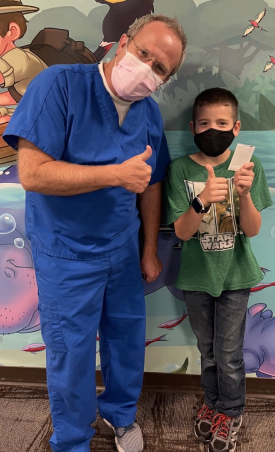


Pediatric Dentist Near Me
If you’ve been searching for a pediatric dentist near me and wondering whether your child is actually old enough to go, the answer is almost certainly yes, and you’re probably not too early. The American Academy of Pediatric Dentistry recommends scheduling a child’s first dental visit by their first birthday, or within six months of the first tooth erupting, whichever comes first.
Most parents are surprised by this timeline. But that first visit isn’t about drilling or filling — it’s about building trust, catching early issues, and setting a foundation for lifelong oral health. At Great Falls Pediatric Dentistry & Orthodontics, families across Great Falls, Havre, and surrounding communities in Montana come in for that first appointment and leave feeling relieved — often saying, “That was way easier than I expected.”
In this guide, you’ll learn exactly when to schedule, what happens during the visit, how to prepare your child, common mistakes to avoid, and what it costs.
What Is a Child’s First Dental Visit?
A child’s first dental visit is a brief, low-pressure appointment focused on getting acquainted—not on treatment. The pediatric dentist will review your child’s health history, gently examine the teeth, gums, bite, and jaw, and give you age-appropriate guidance on diet, brushing, and habits like pacifier use or thumb-sucking.
Think of it less as a clinical procedure and more as a dental wellness check—similar to your child’s first well-child visit with a pediatrician.
For babies and toddlers, the exam is often done with the child in your lap (sometimes called a “knee-to-knee” exam). For older children, it includes a gentle tooth count, a gum check, and a conversation about oral hygiene. If the child is comfortable and ready, a light cleaning may follow.
Pediatric dentistry is a specialized field. Pediatric dentists complete two to three years of additional training beyond dental school, specifically focused on children’s development, behavior management, and developmental dental conditions — things a general dentist may not be trained for.
Why Your Child’s First Dental Visit Matters More Than Most Parents Realize
Tooth decay is the most common chronic childhood disease in the United States — more common than asthma. Baby teeth matter. They guide speech development, help your child chew properly, and hold space for permanent teeth. Losing them too early or too late can cascade into alignment and orthodontic problems down the line.
The first dentist visit for a baby also does something that can’t be replicated later: it normalizes the dental environment while your child is young and impressionable. Children who start visiting the dentist before age two are statistically far less likely to develop dental anxiety as adults.
At Great Falls Pediatric Dentistry, our clinical team sees the difference firsthand. Children who come in early for a baby’s first dental appointment tend to be the ones who walk into cleanings at age 6 without flinching.
“The biggest mistake we see isn’t poor brushing — it’s waiting too long for that first visit. By the time some kids see us for the first time at age 4 or 5, there are cavities that a simple fluoride treatment at age 1 might have prevented.”
Delaying the age-one dental visit means missed windows for:
- Early cavity detection in primary teeth
- Fluoride varnish application to strengthen enamel
- Identifying tongue-tie, jaw development concerns, or bite irregularities
- Guidance on high-risk dietary habits (sippy cups, juice, nighttime bottles)
5 Key Things That Happen at a Child’s First Dental Visit
1. Health and Medical History Review
Before your child’s mouth is examined, the team will review medical history, current medications, allergies, and any developmental concerns. This step catches contraindications and helps personalize the care plan. It’s also why bringing insurance information, vaccination records, and a list of any supplements or medications ahead of time makes the visit smoother.
2. Gentle Oral Examination
The pediatric dentist will count and assess each erupted tooth, check for early decay, examine gum tissue, and evaluate jaw alignment and bite development. For infants, the exam takes only a few minutes. For toddlers and young kids, the dentist may use a small mirror and explorer — but the goal is always gentleness, not speed.
3. Fluoride Varnish Application (If Recommended)
Fluoride treatment is one of the most evidence-backed tools in pediatric dentistry. A thin varnish painted on teeth significantly reduces cavity risk — and takes about 30 seconds. The American Dental Association (ADA) recommends fluoride varnish starting when the first tooth appears.
4. Parent Education and Home Care Guidance
This is often the most undervalued part of the visit. You’ll get specific, age-appropriate guidance on:
- How to brush primary teeth (and which brush to use)
- When to introduce flossing
- Feeding habits that put teeth at risk (juice in bottles, constant snacking)
- Pacifier and thumb-sucking management timelines
5. Establishing a Dental Home
A dental home means having a consistent practice where your child’s full history is known, the team knows your child’s temperament, and continuity of care is built year over year. Starting with a kids dentist early means that the same team watches your child grow — and can catch developmental shifts before they become problems.
Common Mistakes Parents Make Before and During the First Visit
Waiting until there’s a problem.
Pain or visible decay is not the right trigger for a first visit — prevention is. By the time a cavity is causing symptoms, it’s already progressed.
Saying “it won’t hurt” as preparation.
Well-intentioned, but it focuses your child on the possibility of pain. Instead, talk about the tools (“a little mirror,” “a tiny toothbrush”) and frame it as meeting someone who helps keep their smile healthy.
Scheduling during naptime or when the child is hungry.
A tired or hungry toddler is an uncooperative toddler. Book the appointment for a time your child is typically well-rested and recently fed — not right before or after a meal.
Transferring your own anxiety.
Kids pick up on parental stress quickly. If you had difficult dental experiences growing up, consciously use neutral, positive language leading up to the visit. Our team at Great Falls Pediatric Dentistry is trained to work with anxious kids — and anxious parents.
Not knowing what to bring.
Arrive with your child’s insurance card, a list of any medications, and completed new patient forms (many practices, including ours, let you fill these out online in advance).
What Does a Pediatric Dental Visit Cost?
Cost is one of the most common concerns parents voice — and the good news is that preventive pediatric dental care is among the most affordable healthcare services available for children.
With dental insurance: Most insurance plans cover 100% of preventive visits (exams, cleanings, fluoride varnish) twice per year for children. The first visit is typically covered entirely under preventive benefits.
Without insurance: A first visit at a pediatric dental office typically ranges from $75–$200, depending on what’s included. Fluoride varnish, if added, may be an additional $25–$50.
In Montana, Families enrolled in Medicaid (including HB 658 CHIP expansion) may qualify for no-cost dental care for children. Great Falls Pediatric Dentistry accepts most major insurances and offers flexible payment plan options to ensure cost isn’t a barrier to your child’s first visit.
Dental sealants, X-rays, and more advanced treatments are priced separately if needed — but at a first child’s first dental visit, these typically aren’t required. Learn more about preventive options like dental sealants that can protect your child’s teeth long-term.
Questions Parents Are Actually Asking Out Loud
“When should I take my baby to the dentist for the first time?”
Take your baby to the dentist by their first birthday, or within six months of the first tooth coming in. Starting early establishes a dental home, allows for fluoride varnish application, and builds familiarity with the dental environment before anxiety can set in.
“What happens at a 1-year-old’s first dental appointment?”
At a one-year-old’s first dental appointment, the pediatric dentist reviews health history, performs a gentle knee-to-knee oral exam, checks for early tooth decay and gum health, and advises on feeding habits, brushing technique, and teething. The visit is brief and low-stimulation — typically 20 to 30 minutes total.
“Is it too late if my child hasn’t been to the dentist by age 3?”
It’s not too late — but the sooner you go after age 3, the better. Children aged 3–5 are in a critical window for early cavity prevention. At this age, the dentist will also begin to monitor bite development and assess whether early orthodontic evaluation may be beneficial.
“How do I prepare my toddler for their first dentist visit?”
Read age-appropriate books about visiting the dentist, use positive and specific language, and practice at home by having your child open wide while you gently count their teeth. Avoid words like “hurt,” “shot,” or “drill.” Bring a comfort item and schedule for a well-rested time of day.
“Does my child need dental X-rays at the first visit?”
Dental X-rays are not always required at a first visit, particularly for very young children with few teeth. Your pediatric dentist will recommend X-rays only when clinically indicated — typically when teeth are touching, and cavities between teeth cannot be detected visually. Dental X-rays for children use minimal radiation and are considered safe.
Conclusion: Don’t Wait for the Toothache
The first dentist visit for baby is one of the highest-impact, lowest-cost health investments you can make for your child — and the earlier it happens, the better. Every month of delay is a month without fluoride protection, professional monitoring, or the trust-building that turns anxious kids into confident dental patients.
Understanding your child’s oral development journey makes every step easier. If you want a deeper look at what’s happening beneath the gum line as teeth form, read our guide on Children’s Tooth Development Stages.
Starting dental visits early isn’t about finding problems — it’s about preventing them before they start.
At Great Falls Pediatric Dentistry & Orthodontics, we serve families in Great Falls, Havre, and communities across central Montana. Our board-eligible pediatric dental team specializes in making the first dental visit for baby — and every visit after — feel safe, calm, and positive. Two locations. Flexible hours. 24/7 emergency care.
Your child’s smile starts here.
Ready to schedule your child’s first visit with a pediatric dentist near me in Great Falls or Havre, Montana?
Book Your Child’s First Smile Visit Today
Frequently Asked Questions
Q: At what age should a child first see a pediatric dentist?
Quick answer: A child should first see a pediatric dentist by age 1 or within 6 months of the first tooth erupting. The American Academy of Pediatric Dentistry and the American Academy of Pediatrics both recommend this timeline to allow for early cavity prevention and developmental monitoring.
Q: What is the difference between a pediatric dentist and a regular dentist?
Quick answer: A pediatric dentist completes 2–3 additional years of specialty training beyond dental school, focusing specifically on children’s dental development, behavior guidance, and age-specific oral health conditions. Pediatric dental offices are also designed to reduce child anxiety, with child-friendly environments and child-sized equipment.
Q: Will my child need X-rays at the first dental visit?
Quick answer: Not always. Dental X-rays at a first visit are recommended only when clinically necessary — typically when teeth are touching, and visual examination alone cannot detect cavities. Pediatric dental X-rays are low-radiation and considered safe when indicated.
Q: How long does the first pediatric dental visit take?
Quick answer: A child’s first dental visit typically lasts 30–45 minutes. The time includes completing paperwork, reviewing health history, performing the oral exam, applying fluoride varnish if recommended, and answering parent questions about home care and diet.
Q: Does my child need to brush before a first dental appointment?
Quick answer: Yes, brushing before the appointment is encouraged so teeth are clean for examination. Avoid giving snacks immediately before the visit so food residue doesn’t interfere with the exam or fluoride application.
Q: What if my child cries at the first dental visit?
Quick answer: Crying at a first dental visit is completely normal and expected. Pediatric dental teams are specifically trained in behavior guidance techniques to keep young patients calm. Parents are welcome to stay with their child throughout the visit.
Q: How often should a child see the dentist after the first visit?
Quick answer: After the first dental visit, children should return every 6 months for routine checkups and cleanings. Some children with higher cavity risk may benefit from more frequent visits — the pediatric dentist will recommend the right schedule based on individual risk factors.
Q: Does dental insurance cover a child’s first dental visit?
Quick answer: Most dental insurance plans cover 100% of preventive pediatric dental visits, including the first exam, cleaning, and fluoride varnish. Families without insurance should ask about payment plan options, and Montana Medicaid-eligible families may qualify for no-cost pediatric dental care.
Q: What should I bring to my child’s first dental appointment?
Quick answer: Bring your child’s dental insurance card, a list of current medications and allergies, and any completed new patient forms. Arriving 10–15 minutes early to complete paperwork helps keep the visit on schedule and reduces waiting room time for young children.
Q: Is pediatric dentistry available in Havre, Montana?
Quick answer: Yes. Great Falls Pediatric Dentistry & Orthodontics serves families in both Great Falls and Havre, Montana. Families in surrounding areas, including Cascade County, can access pediatric dental and orthodontic care at both locations.