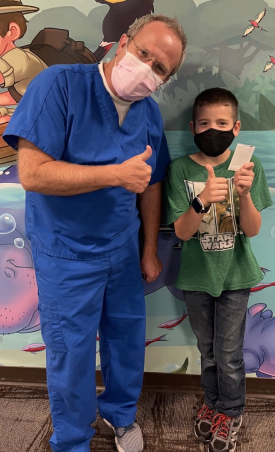


Sedation Dentistry for Pediatric Patients: A Safe Solution for Dental Anxiety
If your child cries before dental appointments…
Refuses to sit in the chair…
Has had a previous traumatic experience…
Or feels intense fear at the sound of dental tools…
You are not alone.
Dental anxiety affects millions of children—and for some families, it becomes a barrier to getting necessary care. The good news? Modern sedation dentistry for pediatric patients offers safe, controlled options that help children feel calm, comfortable, and confident during treatment.
At Great Falls Pediatric Dentistry & Orthodontics, we specialize in helping anxious children receive the dental care they need—without fear, stress, or emotional trauma.
Let’s walk through everything parents should know.
Why Are So Many Children Afraid of the Dentist?
Before we talk about sedation, it helps to understand where fear comes from.
Children may feel anxious because of:
- Fear of pain
- Sensory sensitivities (sounds, smells, lights)
- Fear of the unknown
- Previous negative medical experiences
- Separation anxiety
Developmental or behavioral challenges
- Stories from siblings or friends
For some children, anxiety is mild and manageable. For others, it can trigger:
- Crying
- Panic
- Physical resistance
- Gag reflex issues
- Refusal to open their mouth
When fear prevents treatment, sedation dentistry becomes a valuable solution.
Many cases requiring sedation stem from untreated plaque and tartar buildup. When small problems aren’t addressed early, they can grow into more complex treatment needs. Understanding plaque buildup in children can help parents prevent avoidable dental anxiety.
What Is Sedation Dentistry for Children?
Sedation dentistry uses medication to help children relax during dental procedures.
It does not always mean your child is “put to sleep.”
There are multiple levels of sedation, ranging from mild relaxation to deeper sleep-like states—depending on your child’s needs.
The goal is simple:
✔ Reduce anxiety
✔ Increase comfort
✔ Allow safe and efficient treatment
✔ Prevent traumatic experiences
✔ Build positive long-term dental habits
Types of Pediatric Dental Sedation
At Great Falls Pediatric Dentistry & Orthodontics, sedation options are carefully selected based on:
- Age
- Medical history
- Anxiety level
- Type of dental procedure
- Developmental needs
Here are the most common types.
Nitrous Oxide for Children (Laughing Gas)
This is the most common and mildest form of sedation.
Nitrous oxide is:
- Inhaled through a small nose mask
- Fast-acting
- Easily adjustable
- Worn off within minutes
Children remain awake but feel relaxed and sometimes giggly. Many describe feeling “floaty” or calm.
Benefits include:
- Reduced anxiety
- Decreased gag reflex
- Faster recovery
- No lingering drowsiness
Nitrous oxide is ideal for mildly anxious children or shorter procedures.
Oral Sedation for Kids
Oral sedation involves giving medication by mouth before treatment.
It:
- Creates deeper relaxation
- May make children drowsy
- Reduces awareness of the procedure
- Helps with moderate to severe anxiety
Children are still conscious but often remember very little of the appointment.
This option works well for:
- Extensive dental work
- Strong gag reflex
- Very fearful children
Parents receive clear pre-appointment instructions to ensure safety.
IV Sedation (When Appropriate)
In some cases — especially for extensive procedures or extreme anxiety — IV sedation may be recommended.
This provides:
- A deeper level of sedation
- Careful monitoring throughout
- Highly controlled dosing
This is typically reserved for complex cases and performed under strict medical guidelines.
Is Pediatric Dental Sedation Safe?
Safety is the top concern for every parent — and it should be.
When administered by trained professionals, pediatric dental sedation is very safe.
At Great Falls Pediatric Dentistry & Orthodontics:
- Medical history is thoroughly reviewed
- Weight-based dosing is used
- Vital signs are continuously monitored
- Emergency protocols are in place
- Staff are specially trained in pediatric care
Millions of pediatric sedation procedures are performed safely each year.
Which Children Benefit Most from Sedation Dentistry?
Sedation can be life-changing for certain children.
It’s especially helpful for:
- Children with severe dental anxiety
- Kids with special healthcare needs
- Children with autism or sensory sensitivities
- Patients requiring multiple procedures
- Kids with a strong gag reflex
- Very young children needing restorative care
Instead of forcing a stressful experience, sedation creates a calm, controlled environment.
How Sedation Prevents Long-Term Dental Fear
Here’s something many parents don’t realize:
One traumatic dental experience can create lifelong dental anxiety.
Adults who avoid the dentist often trace it back to a negative childhood visit.
Sedation dentistry helps prevent that cycle by:
- Creating comfortable memories
- Reducing fear-based reactions
- Building trust with the dental team
- Making future visits easier
When children associate the dentist with calmness instead of fear, it changes everything.
What Happens During a Sedation Appointment?
Parents often wonder what to expect.
The process typically includes:
- Pre-appointment consultation
- Review of medical history
- Fasting instructions (if required)
- Sedation administration
- Continuous monitoring
- Post-treatment recovery instructions
For nitrous oxide, recovery is almost immediate.
For oral or deeper sedation, mild drowsiness may last several hours.
Parents receive detailed aftercare instructions before leaving.
Will My Child Be Asleep?
It depends on the level of sedation.
- Nitrous oxide: Awake but relaxed
- Oral sedation: Drowsy and calm
- IV sedation: Deep relaxation or sleep-like state
General anesthesia (full unconsciousness) is less common and typically performed in hospital settings when medically necessary.
We help parents understand exactly what level is appropriate for their child
Addressing Common Parent Concerns
Let’s tackle a few common worries.
“Will my child feel pain?”
Sedation reduces anxiety and discomfort, and a local anesthetic is still used to numb treatment areas.
“Is sedation necessary for a small cavity?”
Not always. Many small treatments can be done without sedation if a child is comfortable.
“What if my child has medical conditions?”
We carefully review medical history and consult with pediatricians when needed.
“Will they remember the procedure?”
With mild sedation, yes—but calmly. With deeper sedation, many children remember very little.
Sedation vs. Physical Restraint
Years ago, some dental practices relied heavily on physical stabilization for anxious children.
Modern pediatric dentistry prioritizes:
- Emotional comfort
- Behavior guidance
- Sedation when necessary
Sedation is often a far more compassionate and psychologically healthy option compared to forcing treatment.
The Emotional Side of Sedation Dentistry
Let’s talk about something real for a moment.
Watching your child feel afraid is heartbreaking.
Many parents feel guilty, wondering if they did something wrong.
You didn’t.
Some children are simply more sensitive, more anxious, or more reactive to unfamiliar environments.
Sedation dentistry isn’t about “giving up.”
It’s about meeting your child where they are.
And that’s good parenting.
Cost of Sedation Dentistry for Pediatric Patients
Cost depends on the type of sedation and the length of the procedure.
Typical ranges:
- Nitrous oxide: $50–$150
- Oral sedation: $150–$500
- IV sedation: $500–$1,500+
Some insurance plans cover sedation when medically necessary.
While sedation adds to upfront cost, it can:
- Reduce the number of visits required
- Prevent emergency procedures
- Allow multiple treatments in one appointment
That can ultimately save time, stress, and money.
When Sedation May Not Be Recommended
Sedation isn’t always the first step.
For mild anxiety, we may try:
- Tell-show-do techniques
- Distraction tools
- Child-friendly explanations
- Gradual exposure
- Comfort items from home
We only recommend sedation when it truly benefits your child’s well-being and treatment success.
Preparing Your Child for a Sedation Visit
Here’s how parents can help:
- Stay calm (kids mirror your emotions)
- Use positive language
- Avoid words like “pain” or “shot”
- Follow fasting instructions carefully
- Bring comfort items if allowed
Confidence from you builds confidence in them.
The Bigger Picture: Protecting Oral Health Early
Untreated dental issues can lead to:
- Infection
- Abscesses
- Emergency room visits
- Premature tooth loss
- Speech development issues
- Orthodontic complications
If anxiety prevents care, sedation ensures your child still receives necessary treatment.
That protects not only their teeth but also their overall health.
Final Thoughts: Is Sedation Dentistry Right for Your Child?
If your child struggles with dental fear, sedation may be the difference between:
Avoidance and prevention
Trauma and comfort
Emergency care and proactive care
Sedation dentistry for pediatric patients is safe, effective, and often transformative.
At
Great Falls Pediatric Dentistry & Orthodontics, our mission is simple:
We want every child to feel safe.
We want every parent to feel confident.
And we want every smile to grow healthy and strong.
If you’re wondering whether sedation dentistry is appropriate for your child, we’re here to answer your questions—judgment-free.
Because no child should have to suffer through fear to receive quality dental care.