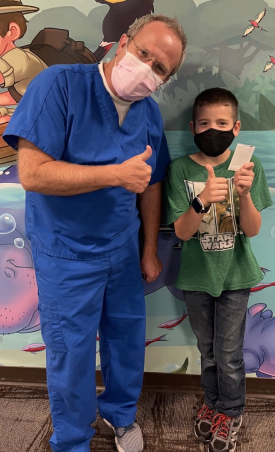
Teething Symptoms – Gentle Pediatric Dentistry
If your child grips the car door the moment they realize you’re heading to the dentist, you’re not alone. Teething symptoms, unfamiliar sounds, and the clinical smell of a dental office are enough to trigger real fear in young children — and that fear doesn’t just stay in the chair. Untreated kids’ dental anxiety leads to skipped appointments, delayed care, and a lifetime of avoidance.
The good news? Managing dental anxiety in kids isn’t complicated — but it does require the right approach, both at home and in the dental office. In this guide, you’ll learn what causes children’s fear of dentist visits, which strategies actually work, what sedation dentistry for kids involves, and how to build a lasting, calm dental routine for your child.
Kids’ Dental Anxiety?
Pediatric dental anxiety is a state of fear, stress, or apprehension that children experience before or during dental visits. It ranges from mild nervousness to full-blown avoidance behavior — including crying, breath-holding, or refusal to open their mouth.
It’s distinct from general teething discomfort or pain sensitivity. Dental anxiety is emotional and anticipatory — children often fear what might happen more than what actually does.
| Type | What It Looks Like | Common Age Group |
| Mild anxiety | Fidgeting, quiet resistance | 3–6 years |
| Moderate anxiety | Crying, stalling, clinging | 4–10 years |
| Severe anxiety | Panic, refusal, vomiting | Any age |
The American Academy of Pediatric Dentistry recommends scheduling a child’s first dental visit by age one — early familiarity is one of the most powerful tools against anxiety development.
Why Managing Teething Symptoms and Dental Fear Together Matters
Parents often focus on teething symptoms—soreness, irritability, drooling—without realizing these early oral experiences shape how a child feels about dental care for years.
A child who associates oral discomfort with fear early on is far more likely to resist professional dental care. That resistance has real consequences:
- Cavities go undetected and spread
- Minor alignment issues become orthodontic problems
- Anxiety compounds with every skipped visit
- Dental phobia follows them into adulthood
“The cost of avoiding one dental visit is almost always a more invasive, more expensive procedure six months later.” — Great Falls Pediatric Dentistry team
At Great Falls Pediatric Dentistry & Orthodontics, the team sees this pattern regularly. Parents who wait until anxiety becomes unmanageable often face harder conversations than those who address gentle pediatric dentistry habits from the start.
5 Proven Strategies to Calm Kids at the Dentist
1. Start the Conversation at Home — Without Negative Language
How you describe the dentist before the visit sets the emotional tone. Avoid phrases like “it won’t hurt” (which plants the idea of pain) or “be brave” (which implies there’s something to fear).
Instead, frame visits as routine—the same way you talk about haircuts or school checkups. Use simple, non-threatening words: “The dentist counts your teeth and keeps them strong.”
Children who receive age-appropriate explanations before appointments show significantly better cooperation during the visit itself.
2. Use the Tell-Show-Do Technique
This is a core method in gentle pediatric dentistry. The dentist describes what they’ll do, shows the child the tool (often with a fun name — “the tooth counter,” “the tickle brush”), then gently proceeds.
At Great Falls Pediatric Dentistry, the team incorporates this into every appointment with anxious or first-time patients. Familiarity removes the unknown — and it’s the unknown that drives most children’s fear of dentist visits.
3. Build Routine Visits Early
Consistent, routine visits are the most effective long-term strategy for reducing dental anxiety. A child who comes every six months sees the same team, sits in the same chair, hears the same sounds b , and has experiences that feel predictable.
Predictability is calming. The more a child knows what to expect, the less their nervous system fires up in anticipation.
4. Use Positive Reinforcement — Not Bribery
There’s a meaningful difference between rewarding behavior and bribing your way through it. Telling a child “you’ll get ice cream if you sit still” creates a transactional relationship with dental care.
Instead, celebrate the visit after: “You did such a great job — let’s pick something fun on the way home.” Acknowledge what they did well, specifically, so they associate that behavior with pride, not reward-chasing.
5. Know When to Ask About Sedation Dentistry for Kids
For children with severe dental anxiety, sensory processing differences, or those who need multiple procedures in one visit, sedation options exist and are safe when administered by a trained pediatric team.
Nitrous oxide is considered one of the safest sedation options in pediatric anesthesia and has been used safely in dentistry for decades, particularly for pediatric patients who experience dental anxiety.
Nitrous oxide, commonly referred to as “laughing gas,” is a mild sedative that eases anxiety during dental procedures without putting the patient to sleep — making it ideal for procedures that require cooperation but not deep sedation.
Always discuss your child’s health history and anxiety level with your dentist before choosing any sedation pathway.
Common Mistakes Parents Make With Dental Anxiety
Telling your child “it won’t hurt” right before.
This backfires almost every time. Children pick up on parental anxiety and the overemphasis on pain plants a seed of doubt. Keep the language neutral and matter-of-fact.
Waiting until there’s a problem to visit.
Emergency dental visits are inherently more stressful — more time in the chair, more unfamiliar procedures. Routine visits build comfort; crisis visits reinforce fear.
Letting one bad experience define dental care forever.
One difficult appointment doesn’t have to become the story. A single positive experience with the right provider can reset a child’s baseline completely. The right pediatric dental team makes that shift possible.
Transferring your own dental anxiety.
Research consistently shows that parental dental anxiety is one of the strongest predictors of child fear of dentist visits. If you’re anxious, try not to verbalize it before or during appointments.
Does Sedation Dentistry for Kids Cost More?
Yes — but the difference is often smaller than parents expect, and insurance frequently covers sedation when it’s medically necessary for a child’s treatment.
Factors that affect cost:
- Type of sedation (nitrous oxide vs. oral vs. IV)
- Length of the procedure
- Number of treatments completed in one session
- Insurance plan and coverage tier
Many clinics accept Montana Medicaid and CHIP, and some offer payment plans for families without coverage. When sedation allows a child to receive multiple treatments in one visit, it can actually reduce total cost and number of appointments over time.
Talking with your dental team about options early is always the right call — especially if your child has avoided care for an extended period.
Want to know what a calm, child-friendly dental visit actually looks like?
Meet Our Pediatric Team — Book a Visit Today
What Parents in Great Falls Are Actually Asking
Covering the questions Montana families ask most about calming kids at the dentist
“Why is my child suddenly scared of the dentist when they weren’t before?”
Dental anxiety in children often peaks between ages 5–8, when kids become more aware of their bodies and can anticipate discomfort. A new dentist, a more involved procedure, or even a story from a friend can trigger kids’ dental anxiety in a child who previously had no issue. The solution is gentle re-introduction — not forcing the next visit.
“Can I stay in the room with my child during the appointment?”
Most pediatric dental offices, including Great Falls Pediatric Dentistry, welcome parental presence — especially for younger children. Your calm presence communicates safety. Some children, however, actually do better with brief separation, as they perform for the dental team without parental distraction. Ask your dentist what works best for your child’s temperament.
“What’s the youngest age a child can receive laughing gas?”
Nitrous oxide is generally safe for children as young as 3, though each child is assessed individually. The dental team evaluates a child’s ability to breathe through the nose and remain cooperative before proceeding. It’s among the gentlest options in sedation dentistry for kids and wears off within minutes after the mask is removed.
“How do I know if my child needs sedation or just better preparation?”
Most children with mild to moderate pediatric dental anxiety respond well to preparation, the tell-show-do method, and a child-focused dental team. Sedation is typically recommended when anxiety is severe enough to prevent necessary treatment, when a child has special healthcare needs, or when multiple procedures need to be completed in one sitting.
“Is teething connected to dental anxiety later on?”
Early oral discomfort from teething symptoms doesn’t directly cause dental anxiety, but it does shape a child’s sensory associations with their mouth. Children who experienced prolonged teething discomfort may be more orally sensitive, making gentle handling and gradual desensitization even more important during dental visits.
How Oral Health Education Reduces Fear Long-Term
Children who understand why they’re caring for their teeth are far more cooperative in the chair. When kids learn that sugar causes bacteria, which causes cavities, which cause toothaches, the dentist becomes an ally, not a threat.
Building oral health literacy at home is one of the most underused tools against child fear of dentist visits. Reading books about the dentist, watching age-appropriate videos, and letting children practice “playing dentist” with stuffed animals all create positive mental associations before they ever sit in the actual chair.
The team at Great Falls Pediatric Dentistry integrates oral health education into every appointment — explaining what they’re doing and why in language children actually understand.
Conclusion: Don’t Wait for Anxiety to Get Worse
Managing dental anxiety in kids is not about forcing bravery — it’s about building genuine comfort through repetition, the right environment, and a dental team trained to work with children.
Every skipped visit increases the likelihood of more complex care later. Every positive visit shrinks fear a little more.
“The goal isn’t a fearless child — it’s a child who feels safe enough to come back.”
Whether your child has teething symptoms, mild nervousness about their first appointment, or a full-blown case of kids’ dental anxiety, the path forward starts with one good visit with the right team.
The pediatric specialists at Great Falls Pediatric Dentistry & Orthodontics in Great Falls, MT, are experienced in calming even the most anxious young patients — from first-time toddlers to older kids who’ve had difficult experiences elsewhere. Serving families across Great Falls, Helena, and surrounding Montana communities, the team’s approach to gentle pediatric dentistry turns fearful visits into routine ones.
Schedule a Calm, Comfortable Visit for Your Child
Frequently Asked Questions
Q: What causes dental anxiety in children?
Quick answer: Dental anxiety in children is most commonly caused by fear of the unknown, unfamiliar sounds and tools, past painful experiences, or parental anxiety transferred before visits. Teething discomfort and oral sensitivity can also contribute to a child’s heightened response during dental procedures.
Q: At what age does dental anxiety usually develop?
Quick answer: Dental anxiety most commonly develops between ages 4 and 8, when children become more aware of their environment and can anticipate discomfort. However, dental anxiety can develop at any age, especially after a stressful or painful dental experience.
Q: Is sedation dentistry for kids safe?
Quick answer: Sedation dentistry for kids is safe when performed by a trained pediatric dental team. Nitrous oxide is the most commonly used option and is considered one of the safest sedation methods in pediatric dentistry. Oral and IV sedation are reserved for more complex cases and are always supervised closely.
Q: How do I prepare my child for a dental visit?
Quick answer: Prepare a child by using calm, neutral language when discussing the appointment, reading dentist-themed books, and avoiding negative descriptions of dental tools or procedures. Visiting the dental office before the actual appointment for a “meet and greet” can also significantly reduce pediatric dental anxiety.
Q: Does my child need sedation or just better coping strategies?
Quick answer: Most children with mild to moderate dental anxiety benefit from preparation, positive reinforcement, and a child-focused dental approach rather than sedation. Sedation dentistry for kids is typically recommended when anxiety prevents necessary treatment or when multiple procedures are performed in one session.
Q: How can I tell if my child has dental anxiety and not just a bad mood?
Quick answer: Signs of kids’ dental anxiety include consistent dread before appointments, physical complaints like stomachaches on appointment day, sleep disruption the night before, or complete refusal to enter the dental office. A one-time bad mood is different from a repeated, anticipatory fear pattern.
Q: Can dental anxiety in children go away on its own?
Quick answer: Dental anxiety rarely resolves without intervention. Without positive experiences, anxiety tends to worsen over time. Consistent, gentle dental visits, proper preparation, and a patient pediatric dental team are the most reliable ways to reduce and eventually resolve child fear of dentist visits.
Q: What is the “tell-show-do” method in gentle pediatric dentistry?
Quick answer: The tell-show-do method is a behavior guidance technique used by pediatric dentists. The dentist explains what will happen, demonstrates the tool or procedure, and then gently performs it. The method reduces surprise, builds trust, and is one of the most effective non-sedation approaches to calming kids at the dentist.
Q: Does dental anxiety in kids affect their oral health long-term?
Quick answer: Yes. Untreated kids’ dental anxiety leads to skipped appointments, delayed diagnosis, and more advanced dental problems over time. Children who avoid routine care are significantly more likely to develop cavities, gum issues, and alignment problems that require more complex treatment.
Q: Does Great Falls Pediatric Dentistry offer options for anxious children?
Quick answer: Great Falls Pediatric Dentistry & Orthodontics is experienced in treating anxious children using gentle pediatric dentistry techniques, child-friendly communication, and sedation options, including nitrous oxide. The team serves families in Great Falls, Helena, and surrounding Montana communities. Call (406) 205-3586 to discuss your child’s needs.